The Maestro flew to meet the heavens
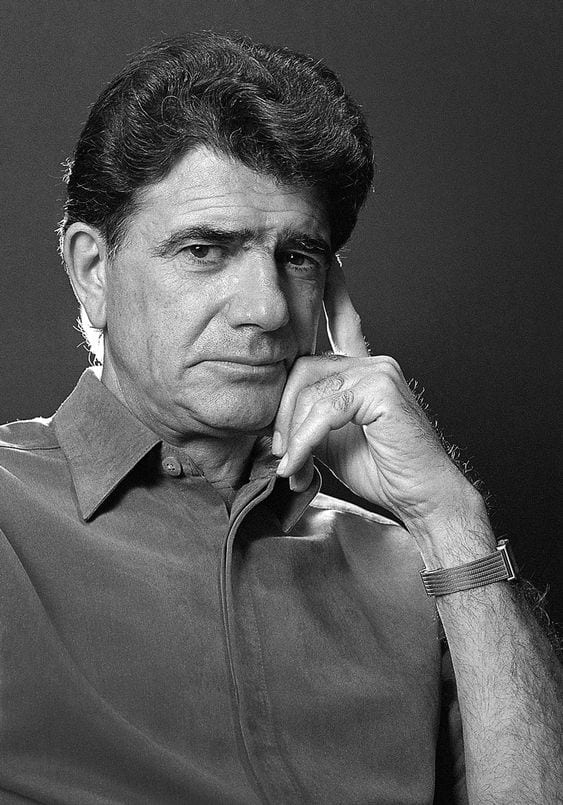
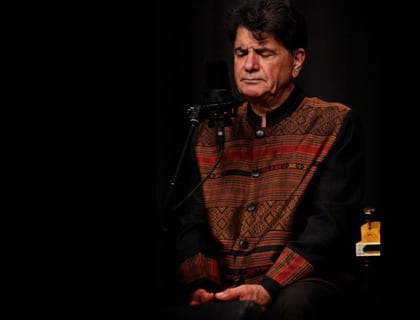
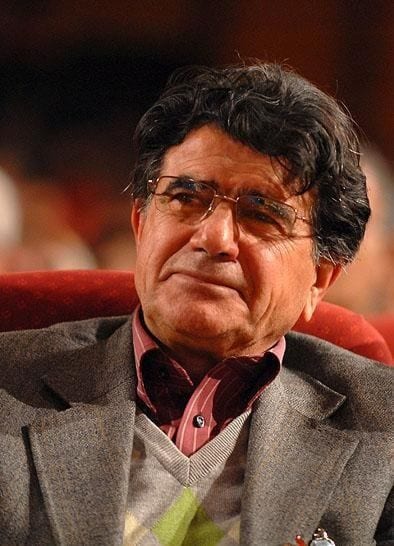
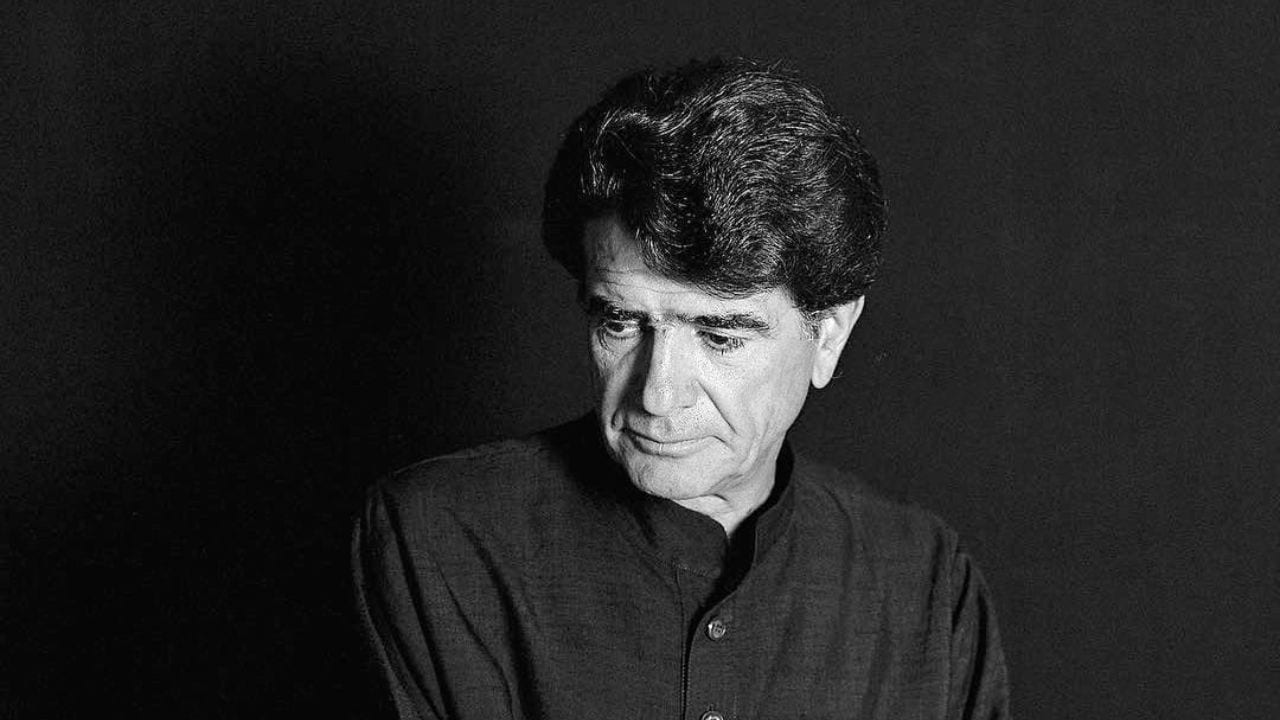
Mohammad Reza Shajarian, The Maestro of Iranian Traditional Music passed away on 8 October 2020 at the age of 80 at intensive care unit of Jam Hospital in Tehran and left a deep sorrow on Iran and the rest of the world. In March 2016, Shajarian revealed that he has had kidney cancer for the past fifteen years. He appeared with shaved hair in his Nowrouz congratulation video, published on his YouTube account.
It is a tragic day for the world of music today, Iranian music and culture lost one of its biggest icons. The maestro left us. Only a handful of figures in Iran’s history is as widely revered, loved & respected as Shajarian. An iconic vocalist of Persian music, he was the voice of the nation. With his art Shajarian beautifully & consistently expressed the sorrows of all Iranians and Persians around the world.
The sky is tearful, the earth is mournful, and the winds are stopped since his soul has left us. A great man who represents his culture and art to the world and stand beside his people against injustice!
Mohammad-Reza Shajarian (Persian: محمدرضا شجريان; Persian pronunciation: [mohæmːæd ɾeˈzɒː ʃædʒæɾiˈɒːn], 23 September 1940 – 8 October 2020) was an iconic vocalist master (Ostad) of Persian traditional music. Shajarian was also known for his skills in Persian calligraphy, and humanitarian activities. He recognized as skilled singer in the challenging traditional Dastgah style. In 1999, UNESCO in France presented him with the Picasso Award and in 2006 with the UNESCO Mozart Medal. In 2017, Los Angeles Times cited him as the “Greatest living maestro of Persian classical music” and In 2010, He was selected between Top 50 best voices of the world by NPR, He is one of the most noble Maestros of Iranian and Persian music in the history.
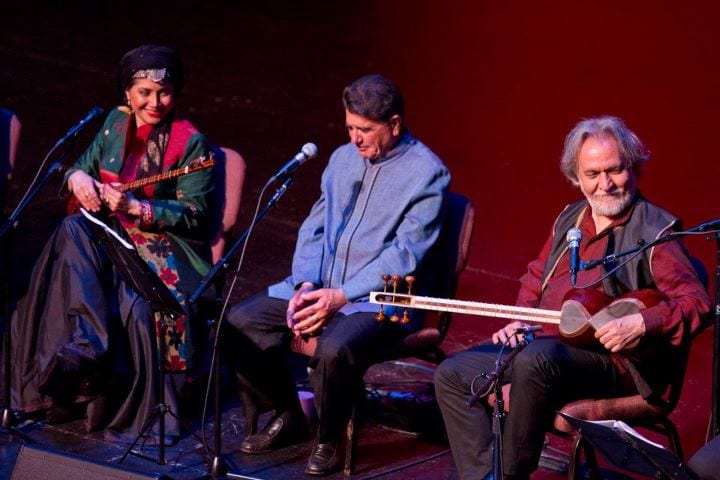
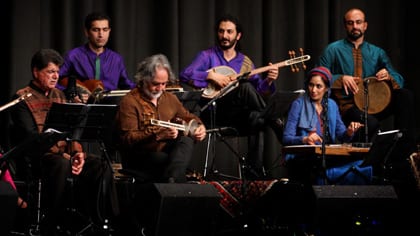
The Maestro is founder of some Persian musical instruments and Persian traditional music group of “Shahnaz”. One of his masterpieces “Prayer of Rabana” is registered as a national treasure work by the Cultural Heritage, Handicrafts and Tourism Organization of Iran.
Shajarian started his singing career in 1959 at Radio Khorasan (Mashhad, Iran), rising to prominence in the 1960s with his distinct style of singing. He has cited legendary Persian tar soloist Jalil Shahnaz as highly influential to his development, indicating that he has often tried to mimic Shahnaz's playing style in his singing.
Shajarian enlivened Iran’s traditional music with his singing style, which soared, swooped and trilled over long-known poetry set to song. But the later years of his life saw him forced to only perform abroad, after he backed those who challenged the disputed re-election of hard-line President Mahmoud Ahmadinejad by telling state radio to stop using his songs.
“After what happened, I said, ‘no way’ and threatened to file a complaint against them if they continued to use my music,” Shajarian told The Associated Press in 2009.
In September 2009, just months after the election, Shajarian sang “Zaban e Atash o Ahan,” which translates from Farsi as “The Language of Fire and Iron. In it, the singer pleaded: “Lay down your gun. Come, sit down, talk, hear. Perhaps the light of humanity will get through to your heart too.”
Some parts are from below resources:
News from the community, .